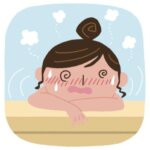
Feel weak after showering in the morning can feel strange because the day has barely started, but your body already feels drained, shaky, or unsteady. The key is to judge whether the morning timing points to fasting, dehydration, heat-related blood pressure changes, or a repeated pattern that needs closer attention.
1. Feel Weak After Showering in the Morning: Why the Timing Matters
Morning shower weakness is not the same as feeling weak after any shower. In the morning, you may be standing under warm water before drinking enough fluid, before eating, and before your circulation has fully adjusted to being upright. That combination can make a normal shower feel much harder than it would later in the day.
The main clue is whether the weakness is tied to the first part of the morning. If it happens mostly after showering soon after waking, but not after evening showers or later-day showers, the timing itself matters. That points more toward a morning setup problem than a random shower reaction.
2. When Fasting Before a Shower Makes the Weak Feeling Sharper
If you shower before breakfast, weakness may feel hollow, shaky, or slightly nervous rather than simply relaxed. Your body has gone several hours without food, and a warm shower adds another demand by making you stand still in heat. For some people, that is enough to create a washed-out feeling before the day even begins.
This pattern is more likely when the weakness improves after eating, drinking, and sitting for a few minutes. It is also more likely if you notice the same feeling on mornings when dinner was light, sleep was poor, or breakfast was delayed. If food changes the pattern clearly, fasting is not a side detail; it is part of the trigger.
3. How Morning Dehydration Can Make a Hot Shower Hit Harder
You can wake up mildly dehydrated even if you do not feel thirsty. Several hours of sleep means several hours without fluid, and a warm bathroom can add heat and steam before you have restored that fluid balance. This matters most if you shower within the first hour after waking, before water, coffee, or breakfast.
A simple test is to drink water before showering for several mornings and keep the shower warm instead of hot. If the weakness becomes much milder, dehydration and heat load were probably driving the reaction. If nothing changes, the next judgment point is whether standing, dizziness, or blood pressure sensitivity is involved.
If weakness appears after showers at any time of day, compare the broader pattern with Feel Weak After a Shower: Dizzy, Faint, or Blood Pressure Drop?
4. When Standing Still in Warm Water Points Toward Blood Pressure
Standing still in a warm shower can challenge circulation more than people expect. The morning clue is that your body is adjusting from lying down to standing before you add heat. Warm water encourages blood vessels near the skin to widen, while standing means your body has to keep enough blood moving upward.
This pattern often feels like heavy legs, lightheadedness, fogginess, or the need to sit down quickly. It becomes more blood-pressure-like when cooling down, sitting, and drinking water help within a few minutes. The key sign is not just weakness, but weakness that improves when you lower the heat and reduce standing time.
5. Weak, Dizzy, or Drained After a Morning Shower: Which Feeling Leads the Pattern
Weakness feels like your body has lost power. Dizziness feels more like lightheadedness, floating, spinning, or being close to fainting. Drained fatigue feels more like sleepiness or low energy without the same unstable standing feeling.
These differences matter because they point to different next steps. If the main feeling is faint, unstable, or lightheaded, judge the pattern around heat, hydration, standing, and recovery speed. If the main feeling is sleepy or drained, especially after a long hot shower, the issue may be more about heat fatigue than a sharp blood pressure drop.
If the main feeling is drained fatigue, not faint weakness, use this next distinction: Feel Tired After a Hot Shower: Low Blood Pressure or Normal Heat Fatigue?
6. What a Three-Morning Test Can Show Before You Worry
Start by changing the morning setup for three mornings, not by judging everything from one bad shower. Drink water before showering, keep the water warm instead of hot, shorten the shower, ventilate the bathroom, and avoid standing motionless for too long. If you usually shower before breakfast, try a small snack first or shower after eating.
The result of that test matters. If the weakness drops sharply, your body was probably reacting to a fixable combination: morning dehydration, fasting, heat, and standing. If the same weakness continues even with cooler water, better hydration, and food timing changes, the shower may be revealing a stronger circulation or autonomic pattern.
7. When Morning Shower Weakness Needs More Attention
Morning shower weakness deserves closer attention when it is repeated, intense, or not explained by heat, fasting, or dehydration. It is also more concerning when you feel close to fainting, need to lie down, feel chest discomfort, have shortness of breath, notice an irregular heartbeat, or do not recover after cooling down. These signs move the issue beyond a simple “I showered before breakfast” explanation.
Do not judge only by one symptom. Judge the full pattern: how often it happens, whether it only happens in the morning, whether it improves with water or food, how hot the shower is, and how long recovery takes. A mild pattern that improves with routine changes is different from a repeated near-fainting pattern that keeps happening despite changes.
8. The Bottom Line
Feeling weak after showering in the morning usually points to a morning-specific combination of fasting, dehydration, heat, standing, and blood pressure adjustment, but the recovery pattern decides how seriously to treat it.
- More likely routine-related: happens before food or water, improves after sitting, cooling down, eating, or drinking
- More likely heat-related: worse with hot, steamy, long showers and better with warm, shorter showers
- More likely blood-pressure-related: comes with lightheadedness, heavy legs, near-fainting, or quick relief after sitting
- More concerning: repeated episodes, fainting, chest pain, shortness of breath, irregular heartbeat, or symptoms that continue despite changing the morning routine