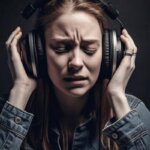
Headache from noise cancelling headphones can feel confusing because the pain may start even when the volume is low and the headphones do not feel obviously tight. The useful way to judge it is to separate ANC pressure, physical fit, sound sensitivity, and symptoms that continue after you take the headphones off.
1. Headache From Noise Cancelling Headphones: What to Check First
The first thing to check is when the headache starts. If it begins within a few minutes of turning on active noise cancellation, the trigger is more likely the ANC effect, the sudden quiet feeling, or your sensitivity to the pressure-like sensation. If it builds slowly after 30–60 minutes, the cause is more likely clamping force, headband pressure, jaw tension, ear cup position, or general listening fatigue.
The second thing to check is where the discomfort sits. A tight band usually causes pressure across the temples, forehead, scalp, or around the jaw. ANC-related discomfort often feels more like inner pressure, fullness, or a strange “sealed off” sensation even when the headphones are not pressing hard.
This distinction matters because the fix is different. A fit problem usually improves when you loosen the headphones, adjust the ear cups, remove glasses, or switch models. An ANC sensitivity problem usually improves when you lower ANC strength, use transparency mode, or turn noise cancellation off entirely.
2. When ANC Pressure Starts to Feel Like a Headache
Active noise cancellation can create a pressure-like sensation for some people because the sound environment suddenly changes. The headphones are not changing the air pressure in your ears, but your brain may still read the reduced background sound as unnatural. That mismatch can feel like fullness, pressure, mild headache, or a heavy sensation around the head.
This is the pattern many people mean when they search for a noise cancelling headphones headache: the pain follows the ANC setting more than the physical fit. If your head hurts only when noise cancelling is on, but the same headphones feel fine in normal mode, the feature itself is the stronger suspect. The easiest test is simple: use the same headphones for a short session with ANC off, then compare it with a short session using ANC on.
ANC is the main trigger when the headache appears quickly after noise cancellation starts and improves quickly after ANC is turned off. If the same headache appears every time you turn ANC on, especially within the first 10–15 minutes, treat it as a repeatable trigger rather than a normal adjustment phase. Lower the ANC level if your headphones allow it, try transparency mode, or use passive isolation instead of full cancellation.
3. How to Tell ANC Sensitivity From a Tight Fit
A tight-fit headache usually follows a more mechanical pattern. The pain builds where the headphones touch your body: temples, crown of the head, jaw, ears, or behind the ears. It may get worse if you wear glasses, clench your jaw, or use heavy over-ear headphones for long sessions.
ANC sensitivity is less tied to one pressure point. The headphones may feel physically comfortable, but the moment you turn on noise cancelling, your head feels full, heavy, or slightly compressed. If noise cancelling makes your head feel full rather than sore on the outside, the ANC setting deserves more attention than the headband.
Use a direct comparison instead of guessing. Wear the headphones with ANC off for 10–15 minutes. Then turn ANC on without changing the volume or fit. ANC sensitivity follows the setting; fit pressure follows the contact points.
4. Noise Cancelling Headphones and Sound Sensitivity Patterns
Some headaches are not caused by pressure or fit alone. Noise cancelling headphones can also make sound sensitivity more noticeable because the listening environment becomes more intense. With background noise removed, voices, music, bass, podcasts, or notification sounds may feel sharper or more concentrated than they would in a normal room.
This pattern is more likely if you also feel overstimulated, irritated, tired, or mentally drained after using headphones. The headache may not start immediately. It may build after long focus sessions, remote meetings, gaming, studying, or commuting with constant audio playing.
If lower volume and shorter listening time reduce the headache, the trigger is probably sound load rather than ANC alone. In that case, changing the listening style may help more than buying another pair of ANC headphones.
If sound-heavy environments also make you dizzy, compare the broader sensory-load pattern: Feel Dizzy After Movie Theater: Motion, Sound, or Light Sensitivity?
5. When Ear Pressure and Head Pressure Point in Different Directions
Ear pressure and head pressure can feel similar, but they point to different causes. Ear pressure usually feels deeper, like fullness, muffled hearing, a sealed-in sensation, or pressure inside the ear canal. Head pressure is more likely around the temples, scalp, forehead, jaw, or the sides of the head.
Over-ear noise cancelling headphones often create head pressure through clamping force. Earbuds or sealed in-ear models are more likely to create ear canal pressure. Full-size ANC headphones can create both: physical pressure from the fit and a false pressure feeling from the noise cancellation.
This is where the headphone type matters. If earbuds bother you more than over-ear headphones, the seal may be the issue. If over-ear headphones bother your temples or jaw, the frame and clamping force are more likely. If both types bother you only when ANC is on, the common factor is noise cancellation sensitivity.
If pressure comes with dizziness, floating, or balance changes, check the next symptom pattern: Feel Dizzy After Wearing Headphones: ANC, Pressure, or Inner Ear?
6. How to Stop Noise Cancelling Headphones From Giving You a Headache
Do not change everything at once. If you lower volume, change headphones, turn ANC off, remove glasses, and shorten your session all at the same time, you will not know which factor actually helped. Start with the easiest variable first and test one change at a time.
Use this order:
- Turn ANC off and compare it with normal mode.
- Try transparency mode instead of full noise cancellation.
- Lower ANC strength if your headphones allow adjustable cancellation.
- Lower volume and turn off bass boost or spatial audio.
- Adjust the headband, ear cups, and glasses pressure.
- Switch to passive isolation if ANC repeatedly causes pressure.
The best replacement is not always another expensive ANC model. If full noise cancellation keeps triggering headaches, a comfortable over-ear headphone with good passive isolation may work better. For some people, the solution is not stronger ANC. It is less electronic cancellation, less clamp pressure, and shorter listening sessions.
7. When the Headache Does Not Behave Like a Simple Headphone Problem
A mild headache that stops soon after removing the headphones usually points toward ANC sensitivity, fit, pressure, or sound load. That is different from a headache that continues, keeps returning without headphones, or comes with symptoms that do not match a simple comfort issue.
Pay closer attention if the headache is severe, one-sided, sudden, or paired with hearing changes, ringing, ear pain, spinning dizziness, fainting, weakness, vision changes, or trouble walking. Those signs should not be brushed off as just “headphones being uncomfortable.” The headphones may be a trigger, but they may not be the whole cause.
8. Final Takeaway
Headache from noise cancelling headphones is easiest to judge by separating ANC pressure, physical fit, sound sensitivity, and symptom timing.
- Headache only with ANC on points toward noise cancellation sensitivity.
- Pain around the temples, jaw, scalp, or glasses line points toward fit pressure.
- Headache after long sessions points toward volume, sound load, or listening fatigue.
- Ear fullness points more toward seal or pressure sensation than ordinary headband discomfort.
- Severe, repeated, one-sided, or lingering symptoms should not be treated as only a headphone issue.